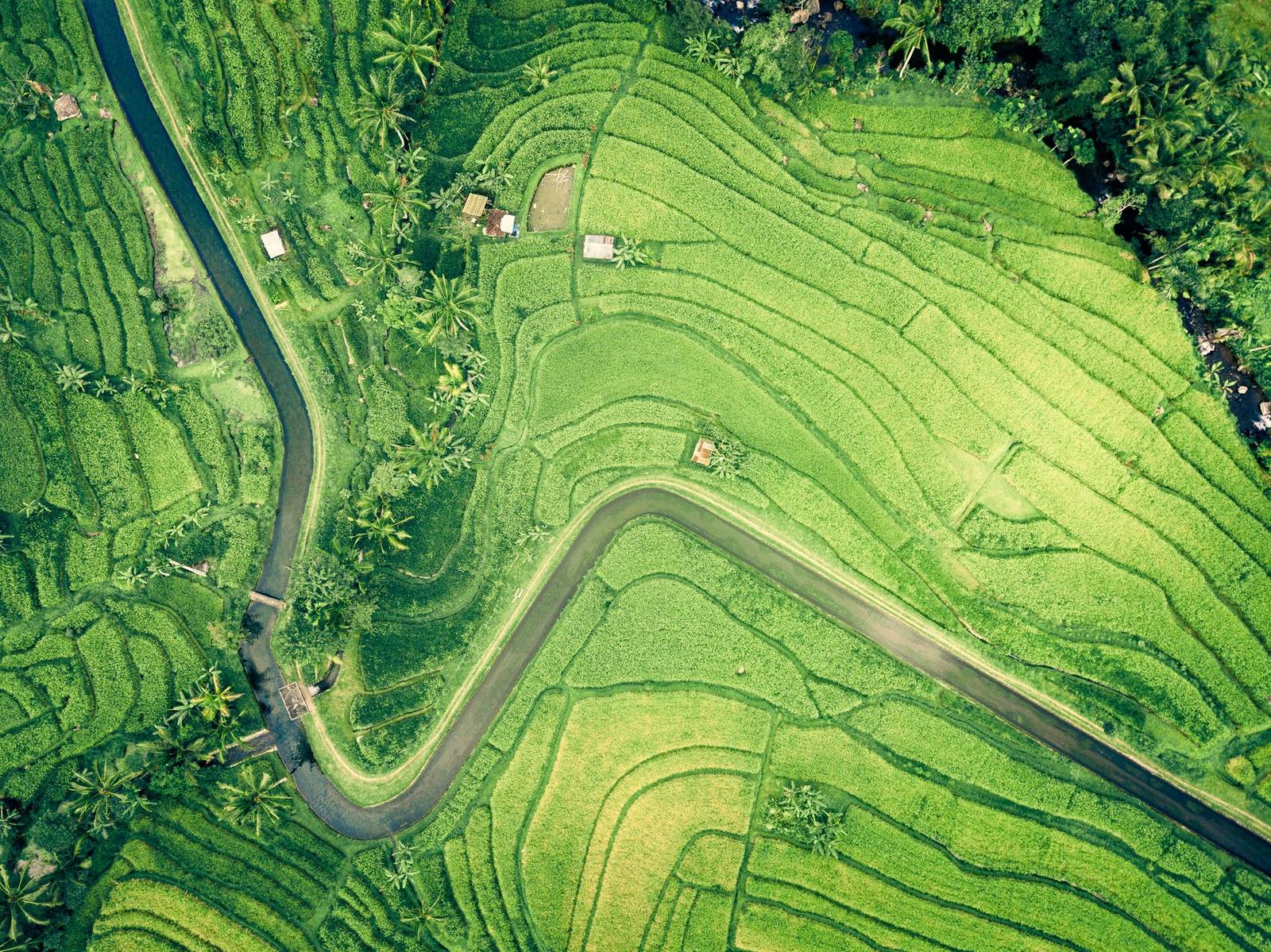
Kamala Infra provides canal construction and related irrigation infrastructure services. Our service scope includes canal surveys, hydraulic design, excavation, earthwork, canal lining, distributaries, and water-control structures.
Each project has different site conditions, water requirements, and engineering specifications. We consider the project scope, site information, and approved drawings when planning construction activities.
Whether the requirement involves a new irrigation canal, canal lining or water distribution infrastructure, the work must follow suitable engineering practices and project specifications.
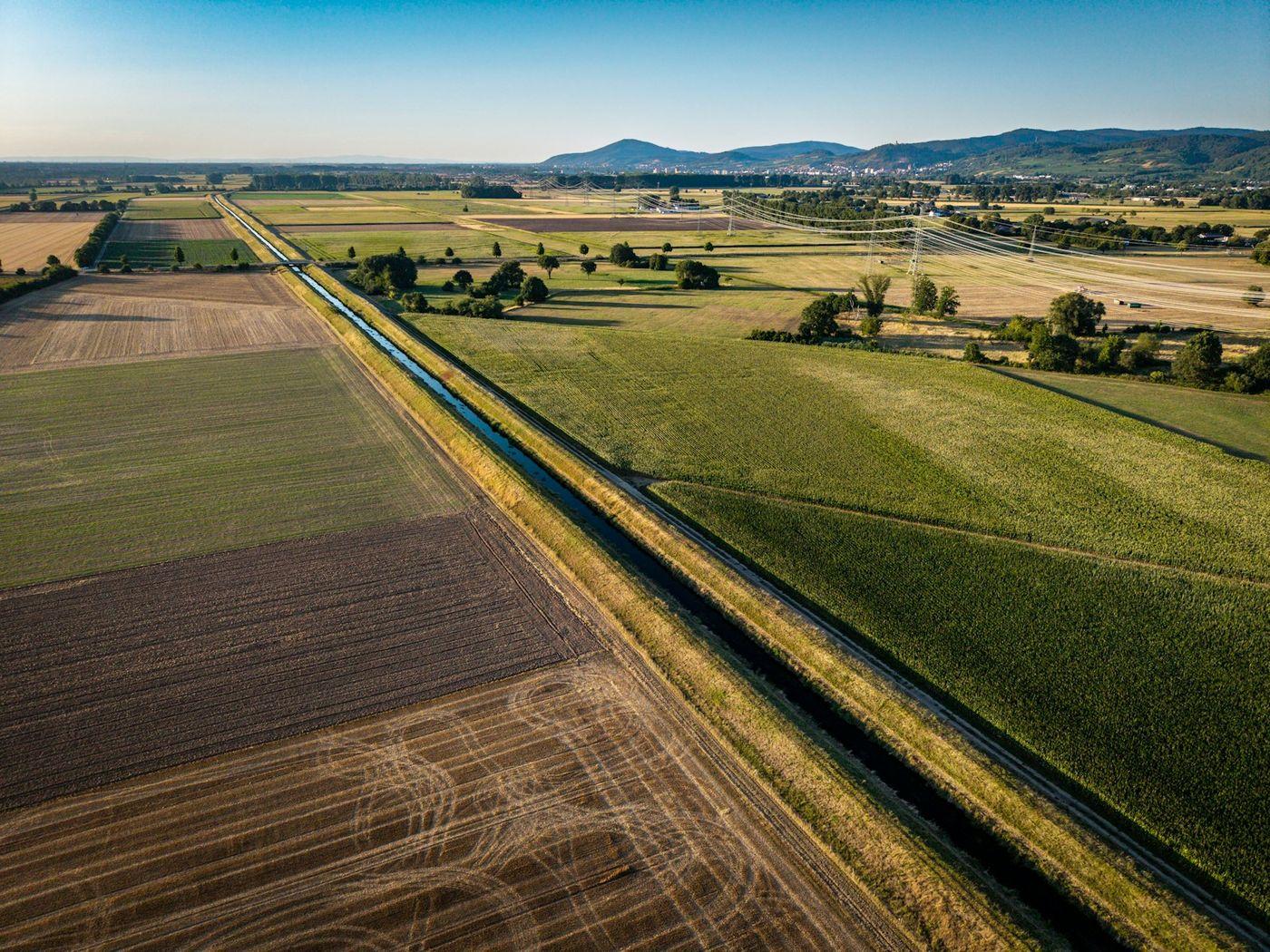
Canal Construction Services Offered by Kamala Infra
Canal construction involves several stages, from site assessment and planning to excavation, lining, and supporting structures. The exact scope depends on the project requirements.
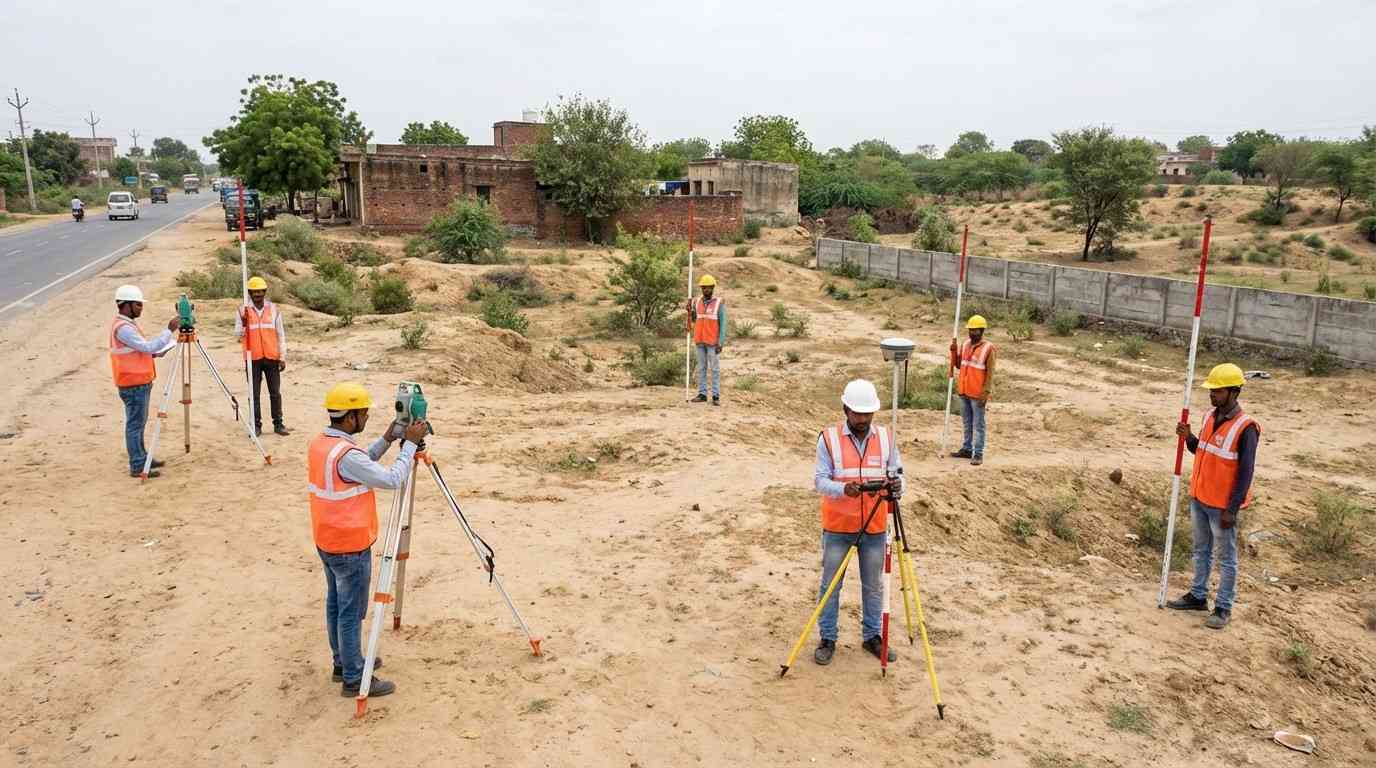
1. Canal Survey and Site Assessment
A site survey helps identify the proposed canal alignment, land levels, and ground conditions before construction begins.
Our canal survey and assessment scope may include:
- Site measurements and level surveys.
- Canal alignment assessment.
- Ground and soil condition studies.
- Identification of site constraints.
- Survey information for construction planning.
Accurate site information helps the engineering team plan the canal layout according to the project requirements.
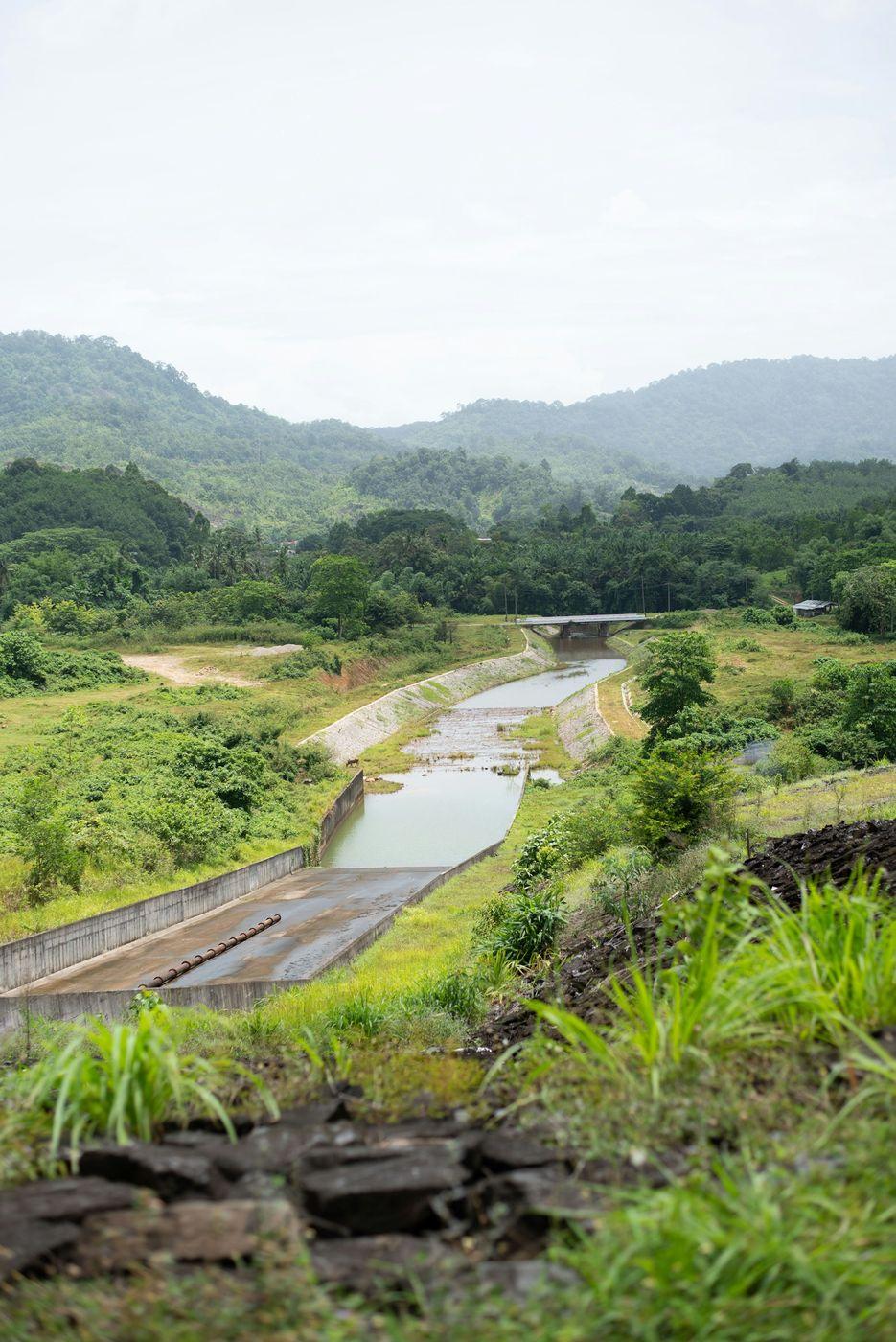
2. Hydraulic Design and Planning
Hydraulic design helps determine how water will flow through a canal system. It supports decisions about canal dimensions, slope, and water-carrying capacity.
Important design considerations include:
- Required water discharge.
- Canal length, width, and depth.
- Bed slope and water flow.
- Soil and ground conditions.
- Water distribution requirements.
- Suitable canal protection and lining.
The final design must follow the approved engineering drawings and applicable project specifications.
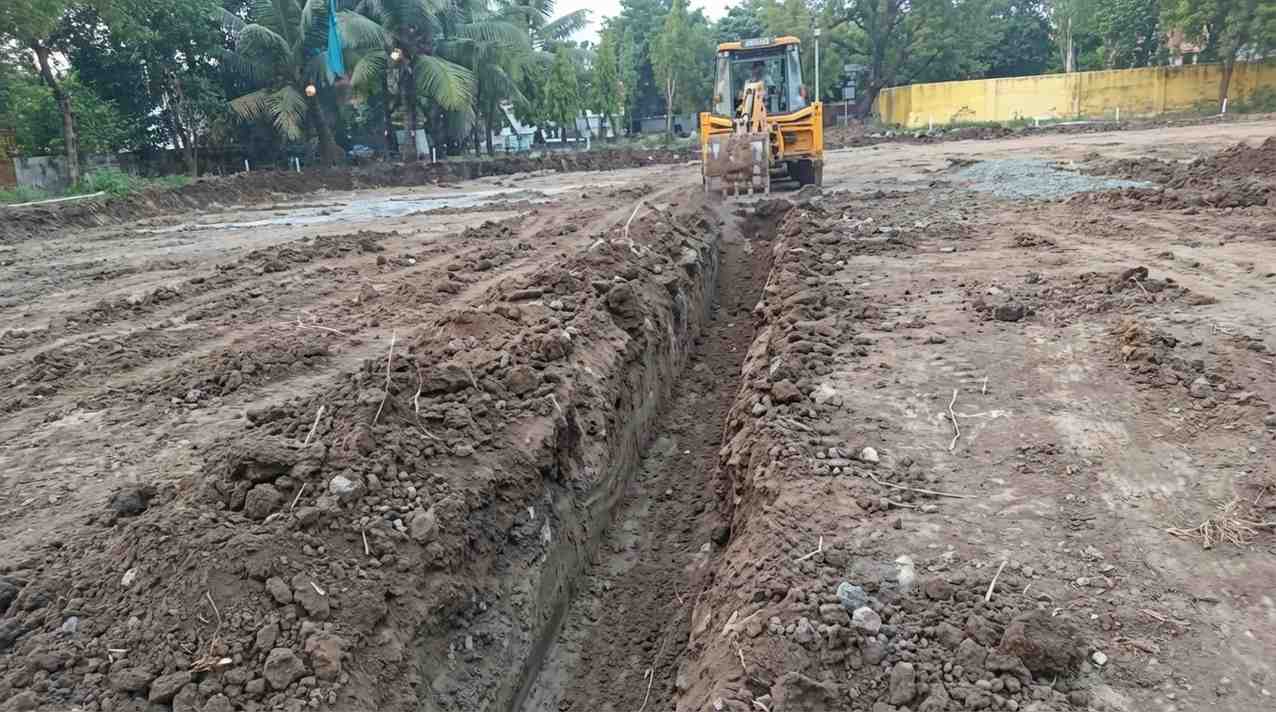
3. Canal Excavation and Earthwork
Canal excavation prepares the ground for the proposed canal structure. The work must follow the required levels, dimensions, and alignment.
Earthwork activities may include:
- Site clearing and preparation.
- Canal excavation.
- Earth cutting and filling.
- Canal bed preparation.
- Bank formation.
- Soil compaction.
- Level and alignment checks.
The excavation and earthwork requirements depend on the canal design and site conditions.
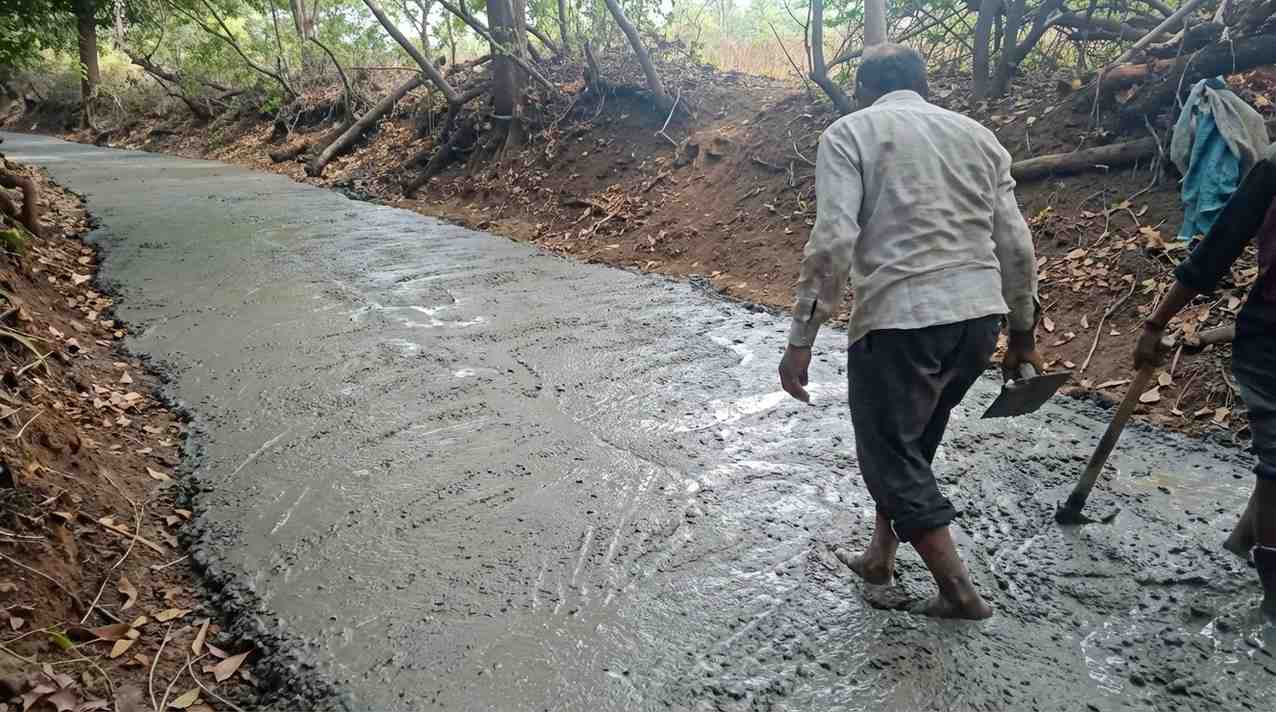
4. Canal Lining Construction
Canal lining is a protective layer provided along the canal bed and sides. It helps protect the canal surface and manage seepage according to the selected design.
Depending on the project specifications, lining materials may include:
- Reinforced concrete lining.
- Precast concrete lining.
- Brick masonry lining.
- Other approved lining systems.
The selection of lining material depends on soil conditions, water requirements, design specifications, and project cost.
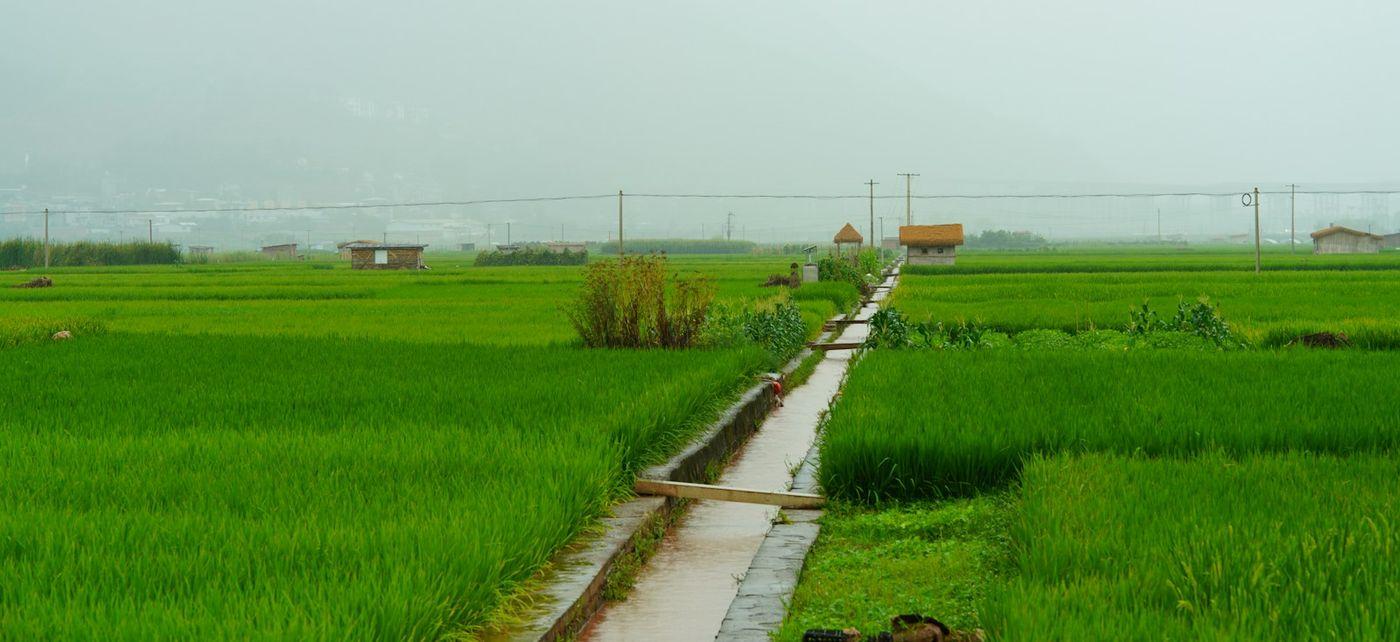
5. Distributaries and Field Channels
Distributaries and field channels carry water from the main canal towards smaller irrigation networks.
Related construction work may include:
- Branch canal development.
- Minor canal construction.
- Field channel development.
- Water distribution arrangements.
- Connections with existing irrigation networks.
Proper planning helps ensure that water distribution structures meet the requirements of the irrigation system.
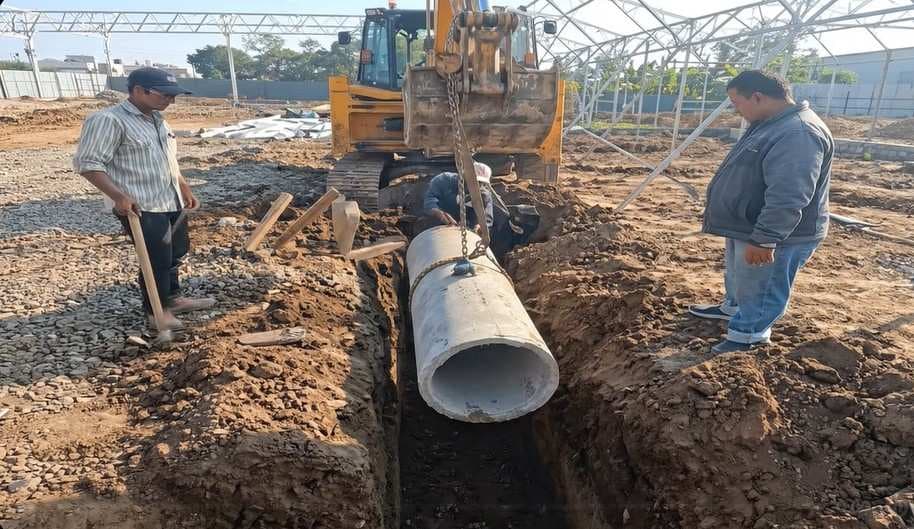
6. Water-Control and Cross-Drainage Structures
Canal systems may require additional structures to regulate water flow and manage natural or constructed crossings.
Depending on the approved design, these structures may include:
- Canal regulators.
- Water-control gates.
- Canal outlets.
- Culverts.
- Aqueducts.
- Siphons.
- Canal protection structures.
Each structure must be designed and constructed according to its intended function and project specifications.
Our Canal Construction Process
A clear construction process helps coordinate site activities, engineering requirements and quality checks.
- 01Step 1: Project Requirement AssessmentWe review the project scope, available drawings, site conditions, and construction requirements.
- 02Step 2: Site Survey and PlanningSurvey information helps establish the proposed canal alignment, ground levels and construction requirements.
- 03Step 3: Engineering and Design CoordinationThe canal layout, hydraulic requirements, and construction details are reviewed against the approved project drawings and specifications.
- 04Step 4: Construction and ExecutionThe agreed construction activities are carried out according to the approved drawings, technical specifications, and project scope.
- 05Step 5: Quality InspectionRequired inspections and tests are carried out during construction. These may cover earthwork, dimensions, material quality, lining, and structural work.
- 06Step 6: Completion and DocumentationThe completed work is reviewed against the project requirements. Relevant inspection records, test reports, and handover documents are prepared where required by the contract.
Quality Control in Canal Construction
Quality control is important because canal construction involves earthwork, water flow, lining materials, and supporting structures.
The required checks depend on the design, materials, and project specifications.
Quality checks may include:
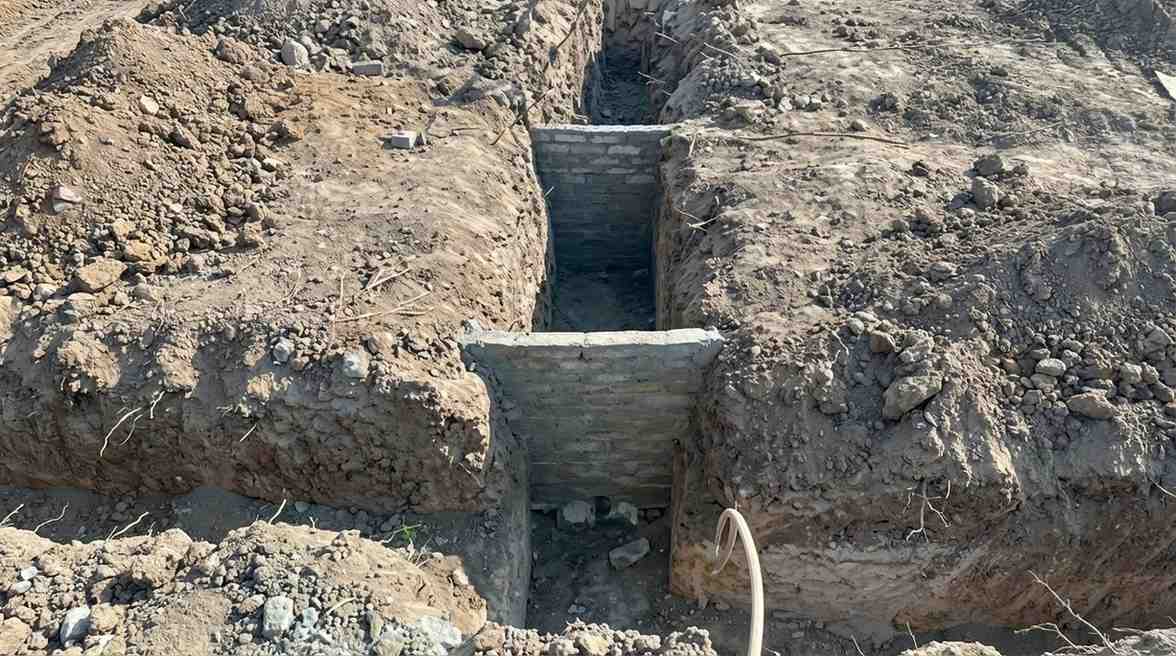
Soil and Earthwork Checks
- Soil testing before construction.
- Field density tests for soil compaction.
- Moisture content checks.
- Excavation level and dimension checks.
- Canal bed and bank measurements.
Concrete and Lining Checks
- Concrete quality testing.
- Lining thickness checks.
- Surface finish inspection.
- Joint inspection.
- Review of material specifications.
Final Inspection
- Canal alignment and level checks.
- Inspection of completed structures.
- Review of relevant test reports.
- Verification against approved drawings.
Testing methods and acceptance limits should follow the approved technical specifications and applicable standards.
Technical Documentation and Project Records
Project documentation helps clients understand the work completed and review construction quality. Depending on the contract and actual work carried out, relevant records may include:
- Site survey reports.
- Canal alignment drawings.
- Hydraulic design drawings.
- Soil testing reports.
- Field density test reports.
- Concrete test reports.
- Material inspection records.
- Site inspection reports.
- Construction progress photographs.
- As-built drawings.
- Project completion and handover documents.
These records provide a clearer view of project activities and help maintain transparency between the client and construction team.
Our Canal Construction Project Experience
Every canal project has different technical and site requirements. Project experience should be evaluated through actual work details, photographs, and supporting documentation.
Kamala Infra's canal construction portfolio should present verified project information so potential clients can understand the type of work undertaken.
Engineering Team and Project Management
Canal construction requires coordination between engineering, surveying, site execution, and quality-control activities.
The people responsible for these activities should have the relevant qualifications and experience for their assigned roles.
Why Consider Kamala Infra for Canal Construction?
Choosing a canal construction contractor requires more than comparing project costs. Clients should review technical capabilities, work scope, project records, and the ability to meet construction requirements.
When evaluating Kamala Infra, clients can review:
Canal survey and planning capabilities.
Canal excavation and earthwork services.
Canal lining and related construction work.
Distributary and field channel development.
Water-control and cross-drainage structures.
Relevant project experience and photographs.
Available quality inspection and project documentation.
Our focus is to understand the project requirements and execute the agreed scope according to approved drawings and specifications.
Who Requires Canal Construction Services?
Canal construction and irrigation infrastructure services may be required by:
- Government irrigation departments.
- State water resources departments.
- Government infrastructure authorities.
- EPC companies.
- Irrigation project contractors.
- Infrastructure development companies.
- Agricultural infrastructure developers.
- Water resource management projects.
These organizations may require canal excavation, lining, water distribution structures, or complete canal construction work depending on their project needs.
Need estate or approach roads too?
Frequently Asked Questions About Canal Construction
1. What does a canal construction company do?
A canal construction company carries out activities such as canal surveys, excavation, earthwork, canal lining, distributary construction, and water-control structure development, depending on the project scope.
2. What are the main stages of canal construction?
The main stages generally include site assessment, surveying, hydraulic planning, excavation, canal lining, structure construction, quality inspection, and project completion.
3. What is canal lining?
Canal lining is a protective layer constructed along the bed and sides of a canal. It helps protect the canal surface and manage seepage according to the selected design.
4. Which materials are used for canal lining?
Common options may include reinforced concrete, precast concrete, and brick masonry. The suitable material depends on the approved design, soil conditions, and project requirements.
5. Why is hydraulic design important in canal construction?
Hydraulic design helps determine the canal dimensions, slope, and water-carrying capacity. It supports the planned movement and distribution of water through the canal system.
6. What quality tests are required for canal construction?
Depending on the project, quality tests may include soil testing, field density tests, moisture checks, and concrete quality tests. The approved project specifications determine which tests are required.
7. What factors affect canal construction cost?
Canal construction cost depends on canal length, width, depth, soil conditions, excavation quantity, lining material, supporting structures, site access and project specifications.
8. Does canal construction include distributaries and water-control structures?
Yes. Depending on the project contract, canal construction may include distributaries, field channels, regulators, outlets, culverts, and other water-control structures.
9. How can I evaluate a canal construction contractor?
Review the contractor's relevant project experience, actual site photographs, engineering capabilities, work scope, quality-control procedures, and available project documentation before making a decision.
Follow Kamala Infra on Instagram.
Want to explore canal construction and construction updates? Follow Kamala Infra on Instagram to see design ideas and project updates.