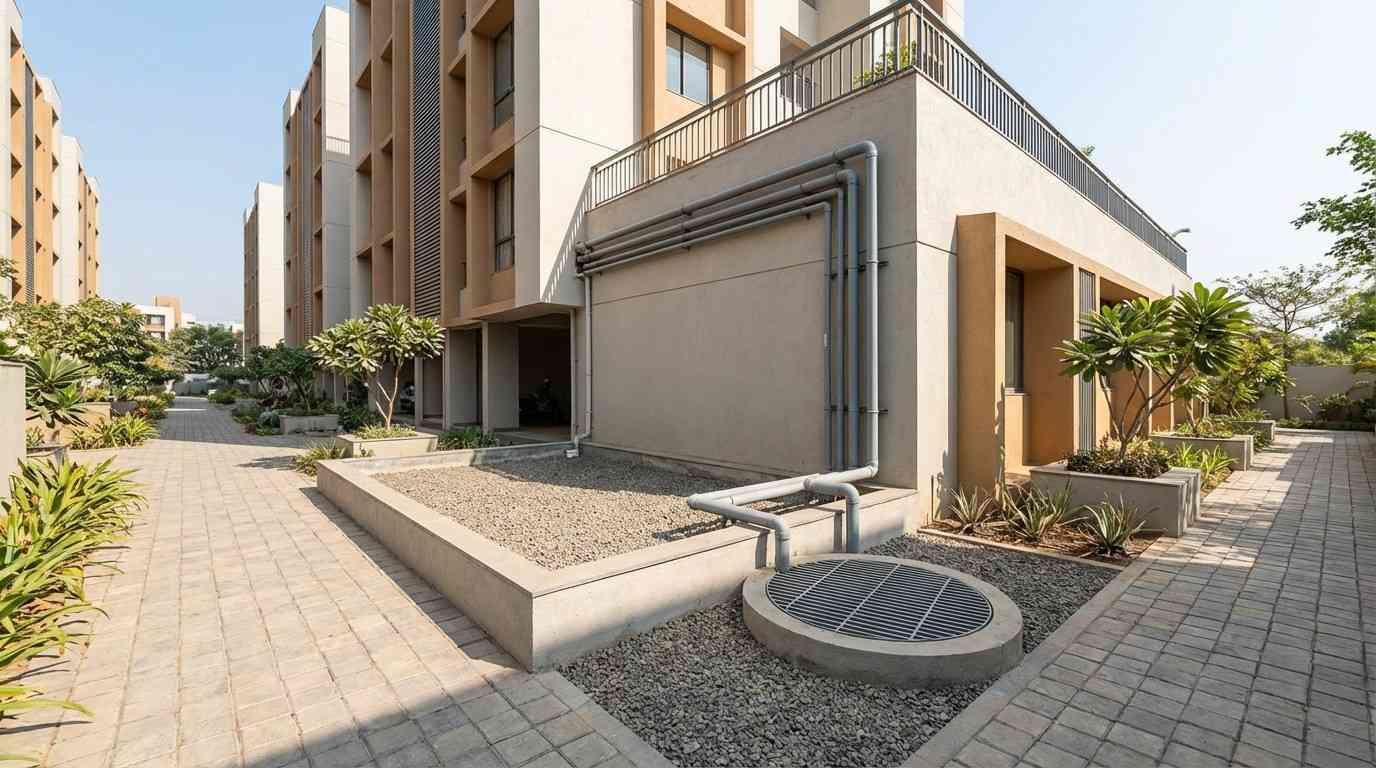
A properly planned rainwater harvesting system gives this water a useful path. It can be collected in a storage tank for suitable uses or directed through a suitable filter into a groundwater recharge structure.
Kamala Infra designs and installs rainwater harvesting systems for homes, apartment complexes, factories, commercial buildings, and large properties across India.
Our work covers site assessment, rooftop collection, first-flush systems, filtration, recharge pits, trenches, wells, and water storage solutions. The right combination depends on the property, local rainfall, soil conditions, and water needs.

What Should a Rainwater Harvesting System Do for Your Property?
A rainwater harvesting system should do more than collect water from a roof. It should manage where the water goes, how it is filtered, and whether it is stored or used for groundwater recharge.
Before choosing a system, three questions matter:
Where does rainwater fall on the property?
How much water can the site collect?
Is storage, groundwater recharge, or a combination of both suitable?
These answers help decide the system layout. They also help avoid spending money on structures that do not match the property's needs.
How Does Kamala Infra Plan a Rainwater Collection System?
We begin with the property, not a standard design. A house, apartment complex, and factory have different roof areas, drainage routes, and water requirements.

1. Site and Catchment Assessment
The first step is to understand where rainwater collects and how it moves across the site.
The assessment may include:
- Rooftop and paved-area measurements.
- Available collection points.
- Existing drainage routes.
- Local rainfall information.
- Ground and soil conditions.
- Available space for storage or recharge structures.
This information helps estimate the site's rainwater collection potential.

2. Rooftop Collection and First-Flush Arrangement
A roof can collect rainwater that would otherwise flow into the drainage system.
Gutters and downpipes carry the water towards the selected filter or storage point. A first-flush diverter sends away the initial roof runoff, which may contain dust, leaves, and other dirt.
The collection arrangement may include:
- PVC or stainless-steel gutters.
- Downpipes and rainwater leaders.
- First-flush diverters.
- Mesh filters.
- Sediment traps.

3. Groundwater Recharge Structures
When the site and ground conditions are suitable, collected rainwater can be directed towards a recharge structure.
Possible solutions include:
- Recharge pits: Structures that allow filtered rainwater to move into the ground.
- Recharge trenches: Longer structures used where water needs to be collected along a line or larger area.
- Recharge wells or shafts: Structures considered according to the site's groundwater conditions and design requirements.
- Borewell or dug-well recharge: A site-specific option that needs suitable filtration and technical assessment.
The design should not assume that every property can use the same recharge method. Soil conditions, water quality, and local groundwater requirements matter.
4. Rainwater Storage and Reuse
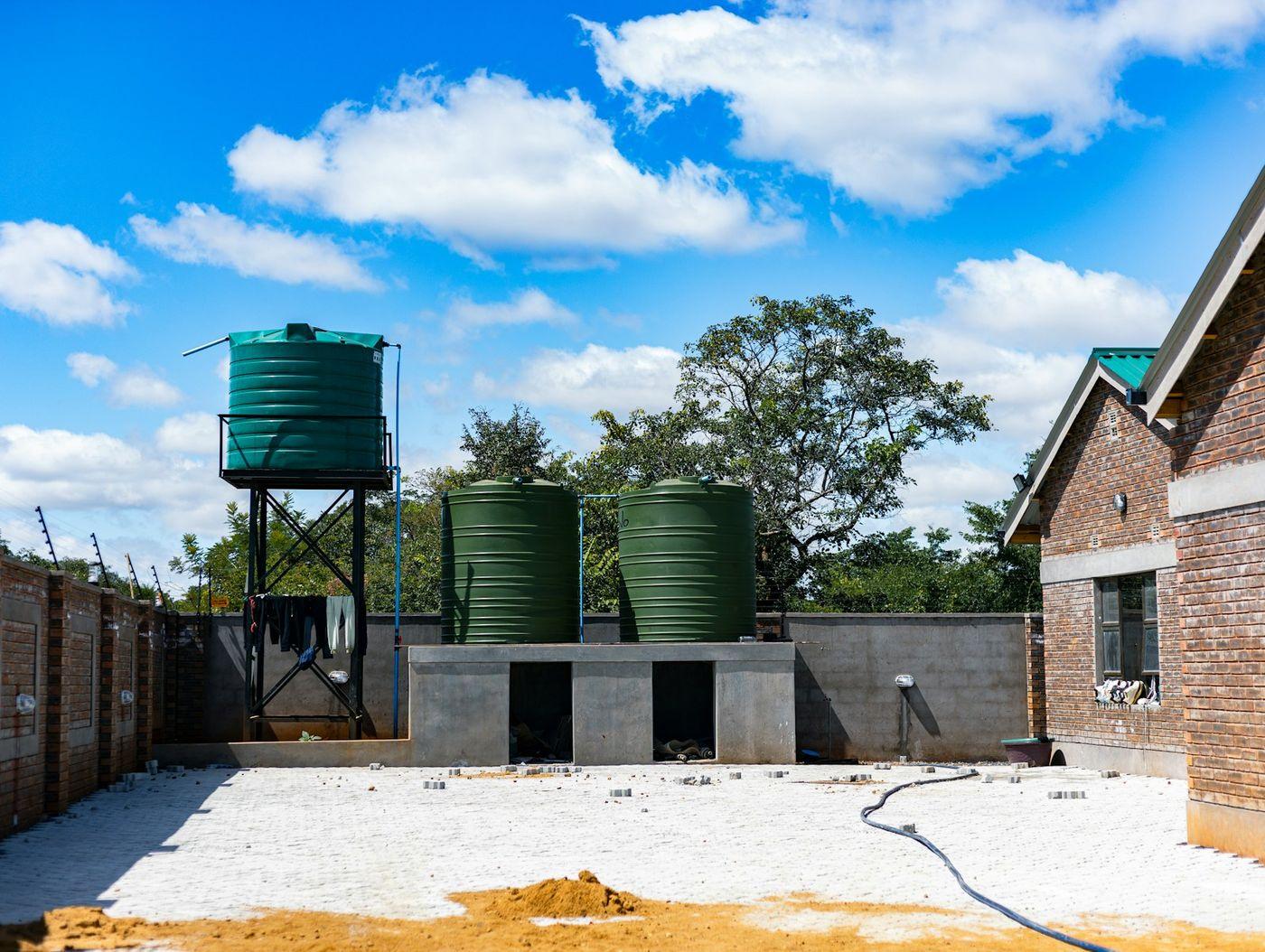
Some properties may benefit from storing rainwater instead of directing all collected water into the ground.
Storage options can include underground RCC tanks and overhead storage tanks. Depending on the treatment and water quality, stored rainwater may be used for gardening, toilet flushing, and cleaning.
The tank size and filtration arrangement should match the intended use and expected collection.
5. Documentation and Maintenance
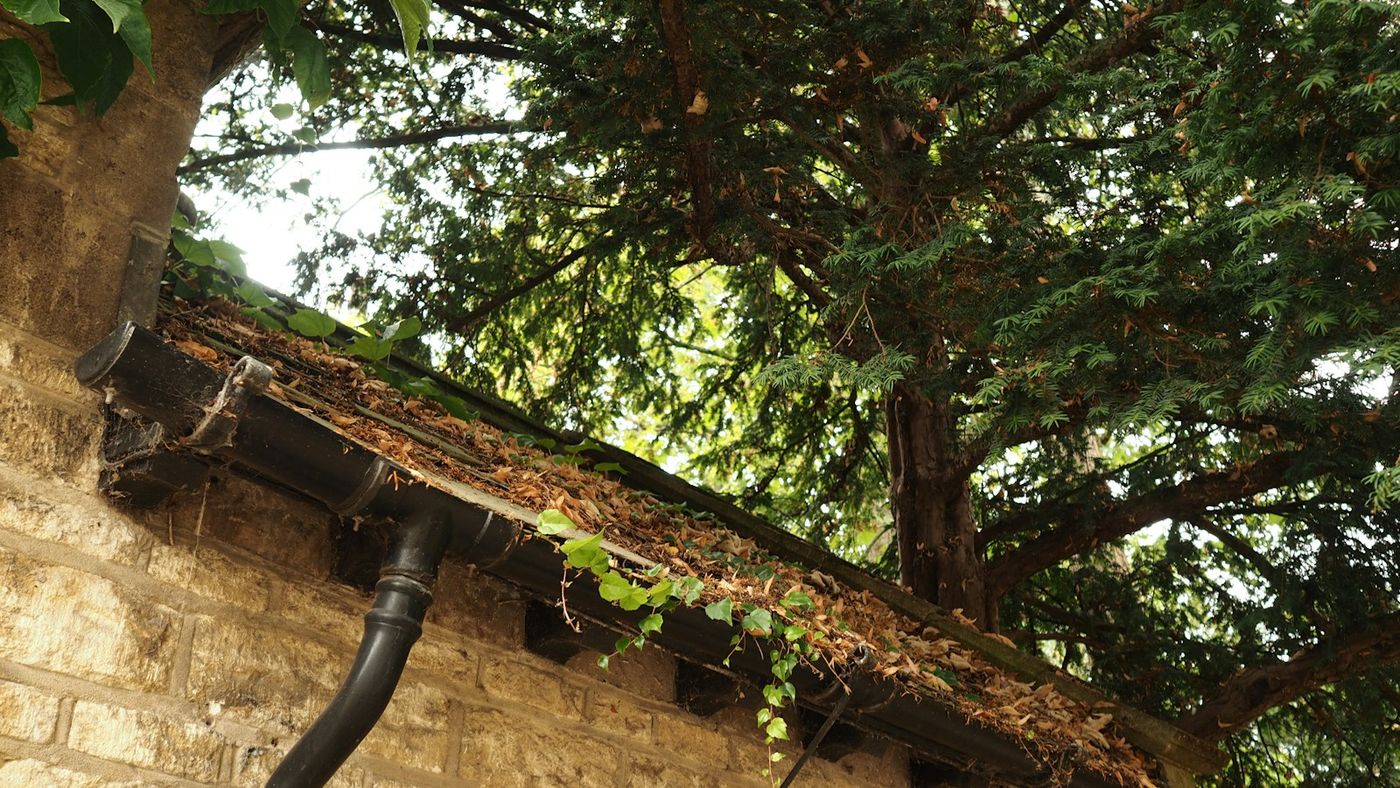
A system needs regular care after installation. Filters can collect dirt, pipes can become blocked, and recharge structures can fill with silt.
Depending on the project scope, our work may include:
- Installation photographs.
- As-built drawings.
- Relevant site and system records.
- Maintenance instructions.
- Filter cleaning and desilting guidance.
- Periodic inspection planning.
Which Rainwater Harvesting System Is Suitable for Different Properties?
The best system depends on the building's size, roof area, water needs, and ground conditions.

Rainwater Harvesting System for Homes and Villas
Independent houses and villas can collect water from rooftops and direct it towards a storage tank or suitable recharge structure.
The design should consider roof drainage, available ground space, and household water needs.

Rainwater Harvesting for Apartment Complexes
Apartments have shared rooftops, parking areas, landscaped spaces, and common drainage networks.
A planned system can collect rainwater from suitable areas and direct it towards shared storage or recharge structures. The design should consider the number of buildings, drainage routes, and maintenance access.
Industrial Rainwater Management
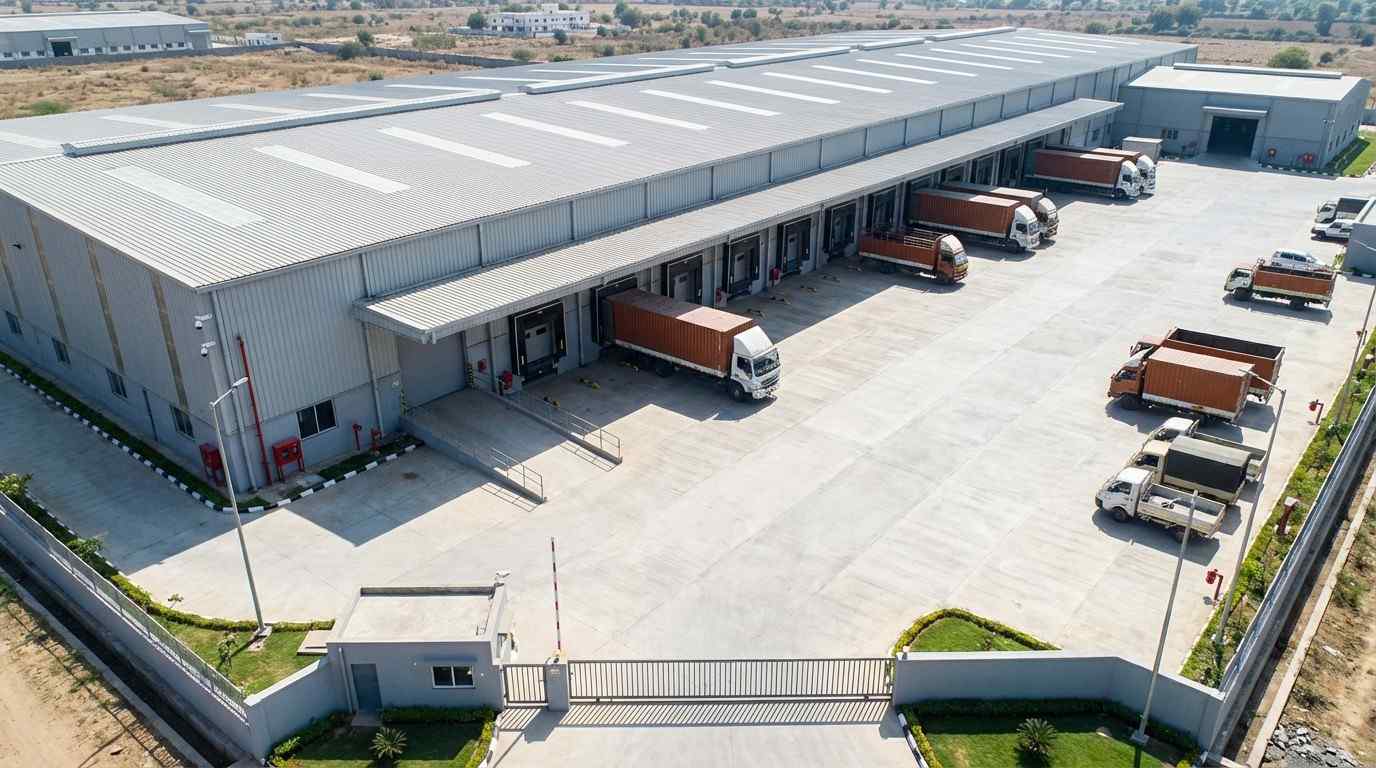
Factories and industrial properties may have large roof areas, paved yards, and drainage networks.
Their systems need to consider collection from suitable surfaces, safe routing, storage requirements, and groundwater conditions. Water collected from different surfaces may need different treatment before reuse or recharge.

Commercial Buildings, Hotels, and Offices
Commercial properties can plan rainwater collection as part of their building and drainage design.
The system can be designed around rooftop collection, storage, landscaping needs, and suitable non-drinking water uses.

Government and Infrastructure Projects
Public buildings and infrastructure projects may require rainwater collection, recharge structures, and supporting documentation.
The system should follow the relevant project specifications and local authority requirements.
What Factors Affect Rainwater Harvesting System Cost?
There is no fixed cost for every property. The price depends on how much water needs to be collected and what type of system the site requires.
For a useful estimate, share the property location, roof area, site plan, and preferred use of the collected water. A site assessment can help confirm the required work and cost.
The main cost factors include:
- Total rooftop and collection area.
- Local rainfall and estimated water yield.
- Number and size of gutters and downpipes.
- Type and number of filters.
- Recharge pit, trench, or well requirements.
- Storage tank capacity and material.
- Soil conditions and excavation needs.
- Pipe length and site layout.
- Testing, documentation, and maintenance requirements.
What Makes a Rainwater Harvesting System Work Well?
A good system depends on more than the size of a tank or recharge pit. Its parts must work together. Important points include:
A rainwater harvesting system cannot guarantee a higher borewell yield or a fixed reduction in water bills. Actual results depend on rainfall, site conditions, design, water quality, and maintenance.
Why Choose Kamala Infra for Rainwater Harvesting?
A rainwater harvesting system should fit the property. Installing the same arrangement everywhere can lead to poor water collection, blocked filters, or structures that do not suit the ground.
Kamala Infra's rainwater harvesting service covers the main stages of property water management:
Catchment and site assessment.
Rainwater collection planning.
Rooftop gutters and downpipes.
First-flush and filtration arrangements.
Recharge pits, trenches, and suitable recharge structures.
Underground and overhead storage solutions.
Documentation and maintenance planning.
We consider the property's collection area, ground conditions and intended water use before discussing a suitable system.
Where Does Kamala Infra Provide Rainwater Harvesting Services?
Kamala Infra is based in Secunderabad, Hyderabad, Telangana, and presents its services for projects across India.
We discuss rainwater harvesting requirements for homes, apartments, commercial buildings and industrial properties. Project availability and execution depend on location, project scope and site assessment.
Frequently Asked Questions
1. How do I choose the right rainwater harvesting system?
Start by checking your roof area, local rainfall, soil conditions, and water needs. These details help decide whether storage, groundwater recharge, or a combination of both is suitable.
2. Can rainwater harvesting be added to an existing building?
Yes. Existing buildings can often be fitted with a collection and recharge system. The available roof connections, drainage layout, and space for installation need to be checked first.
3. Is rooftop rainwater suitable for storage?
Yes, rooftop rainwater can be collected and stored after suitable filtration. Its intended use determines whether further treatment and water-quality testing are needed.
4. How much rainwater can a building collect?
The amount depends on local rainfall, the collection area, and how much water is lost during collection. A site assessment can help estimate the possible yield.
5. What is a first-flush system?
A first-flush system diverts the initial rainwater from a roof. This water may carry dust, leaves, and other dirt that has collected on the roof between rainfall events.
6. How often should a rainwater harvesting system be cleaned?
Gutters, filters, and first-flush units should be checked and cleaned regularly, especially before and during the rainy season. Recharge pits and storage tanks also need inspection and cleaning as required.
7. Can rainwater harvesting recharge a borewell?
It may be possible when the site conditions, water quality, and local rules allow it. The recharge method needs proper assessment and filtration before installation.
8. What information is needed for a rainwater harvesting quotation?
Share your property location, property type, approximate roof or collection area, available site plan, and intended water use. These details help the team understand the project before preparing an estimate.
Follow Kamala Infra on Instagram.
Want to explore rainwater harvesting designs and construction updates? Follow Kamala Infra on Instagram to see design ideas and project updates.